

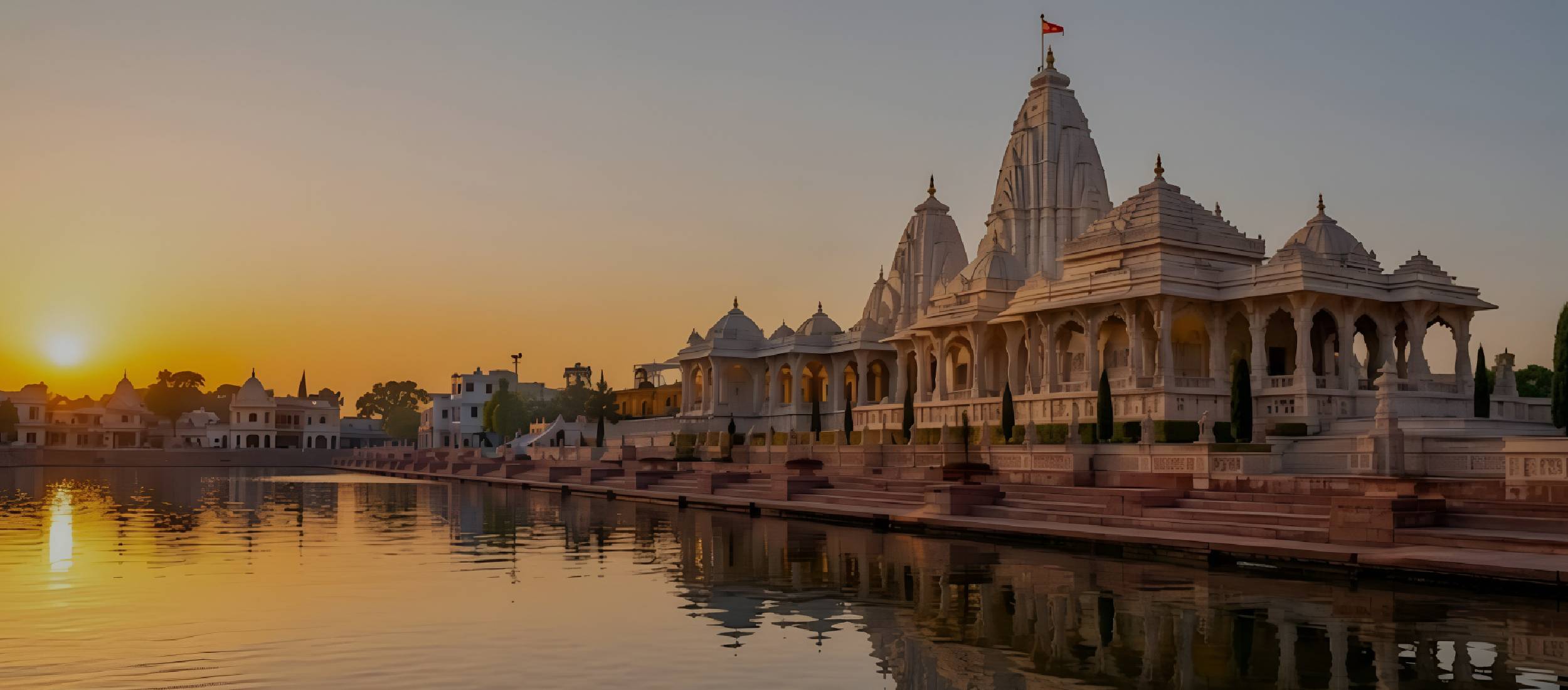
The Ram Temple in Ayodhya is one of India's most revered Hindu temples, dedicated to Lord Shri Ram, who is believed to be the seventh incarnation of Lord Vishnu. Located in the sacred city of Ayodhya in Uttar Pradesh, the temple stands at the traditional birthplace of Lord Ram, known as Ram Janmabhoomi.
According to the ancient Hindu epics, especially the Ramayana, Ayodhya was the capital of the Kosala Kingdom and the birthplace of Lord Ram. For thousands of years, devotees have regarded this site as one of the holiest pilgrimage destinations in Hinduism.
Historical records and traditional beliefs suggest that a grand temple dedicated to Lord Ram existed at the site in ancient times. Over the centuries, Ayodhya became an important center of religious, cultural, and spiritual significance.
In the 16th century, during the reign of the Mughal emperor Babur, a mosque known as the Babri Masjid was constructed at the disputed site in 1528. This led to centuries of differing claims and legal disputes regarding the land's religious significance.
The issue remained the subject of historical debate, legal proceedings, and political discussions for many decades. In 1992, the Babri Masjid was demolished, leading to nationwide unrest and a prolonged legal process.
On 9 November 2019, the Supreme Court of India delivered a landmark judgment, awarding the disputed land for the construction of a Ram Temple while directing that an alternative five-acre plot be allotted for the construction of a mosque elsewhere in Ayodhya. The verdict brought legal closure to one of India's longest-running land disputes.
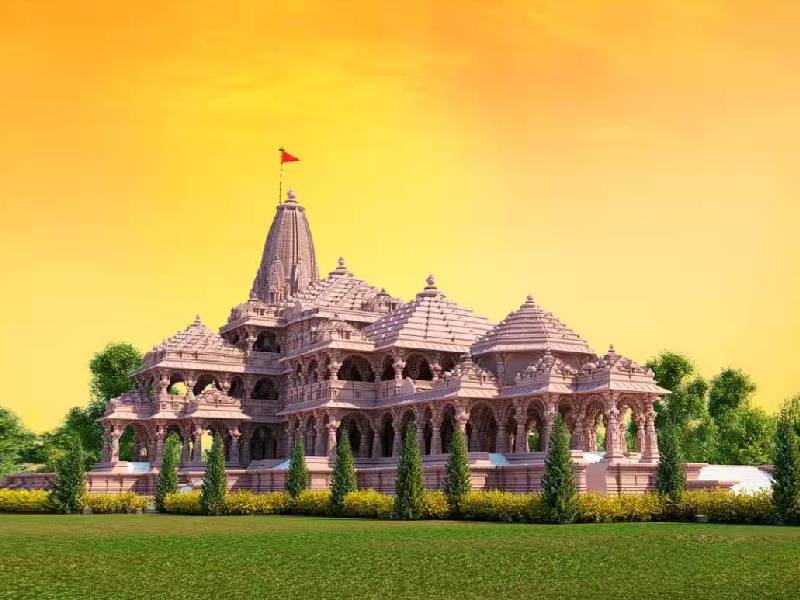
The foundation stone (Bhoomi Pujan) for the new Ram Temple was laid on 5 August 2020. The temple is being constructed in the traditional Nagara style of temple architecture using sandstone and without the use of iron in the main structure.
Designed to reflect India's rich architectural heritage, the temple features intricately carved pillars, grand entrances, beautifully sculpted walls, and spacious courtyards. The construction is being overseen by the Shri Ram Janmabhoomi Teerth Kshetra Trust.
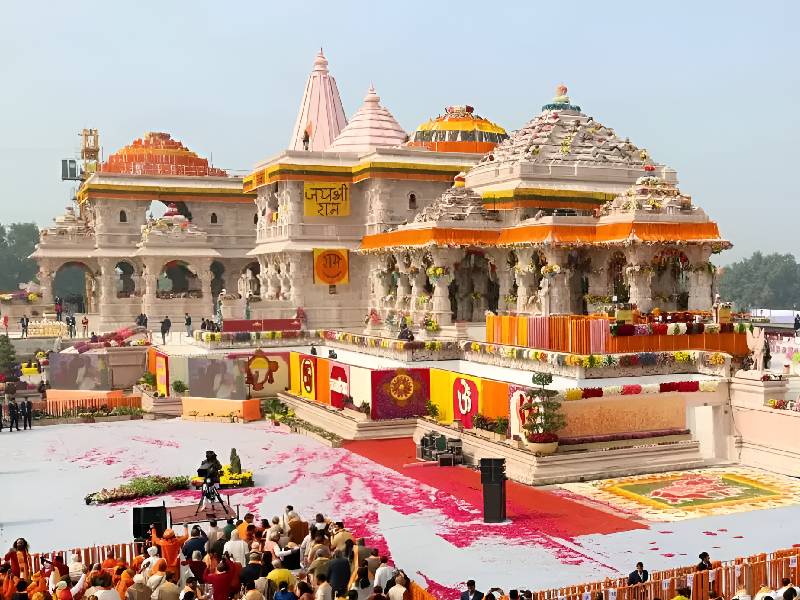
A historic milestone was achieved on 22 January 2024, when the Pran Pratishtha (consecration ceremony) of the idol of Ram Lalla was performed in the presence of religious leaders, dignitaries, and thousands of devotees. Since then, millions of pilgrims from across India and around the world have visited the temple to seek blessings.
Today, the Ram Temple stands as a symbol of devotion, spirituality, and India's rich cultural heritage. It has transformed Ayodhya into one of the country's most significant religious tourism destinations, attracting pilgrims, historians, and travelers throughout the year.
Visitors to the Ram Temple can also explore nearby sacred sites such as Hanuman Garhi, Kanak Bhawan, Dashrath Mahal, Saryu Ghat, and other important places associated with the life of Lord Ram.
Whether visiting for religious devotion, cultural exploration, or historical interest, the Ram Temple offers a profound spiritual experience that connects millions of devotees with the timeless legacy of Lord Shri Ram.